Type: Trend
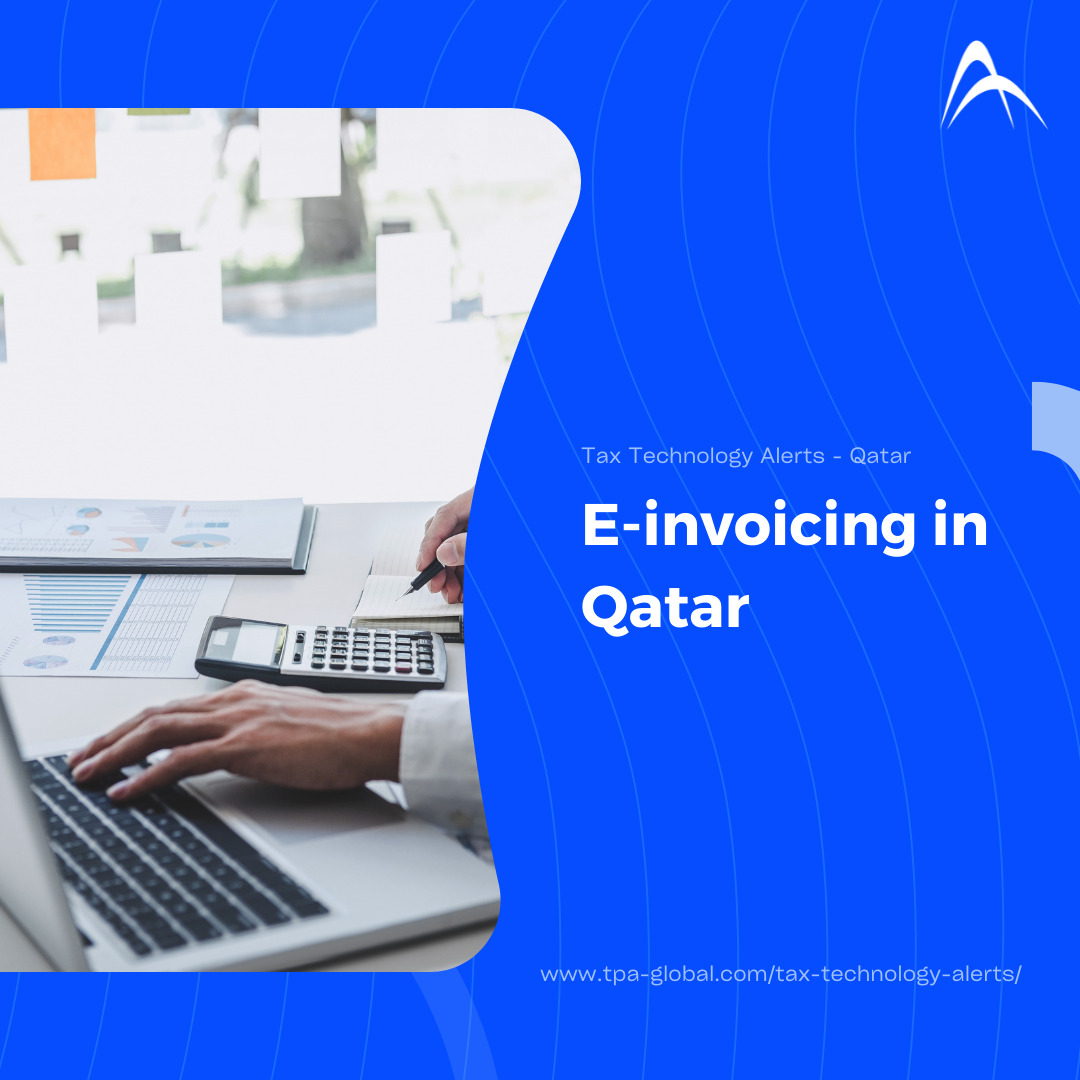
Electronic invoicing is being adopted by a growing number of countries in the Middle East and North Africa. The goal is to accomplish a “digital revolution of tax control” by providing invoices electronically, which will increase tax control and minimize costs.
Qatar is receptive to this new method of invoicing. Qatar, however, must first implement VAT in order to make e-invoicing mandatory. Tax invoices, which include electronic invoices, are not controlled without VAT. Companies based in Qatar may, nevertheless, create electronic invoices voluntarily, subject to the data transmission duty. These can be kept in another country if a copy of the electronic invoice is kept in Qatar.
To secure the validity and integrity of electronic documents, a digital signature is required. The purchaser, on the other hand, is not obligated to validate the e-signature. In general, invoices in Qatar are kept for ten years from the date of issue. Storage outside of Qatar is permitted, but only if a printed copy is kept in Qatar.
Effective date: N/A