In a significant move to enhance tax transparency and compliance, the Egyptian Tax Authority (ETA) has recently introduced mandatory Transfer Pricing (TP) reporting obligations for related party transactions. This development is pivotal for tax professionals, investors, and businesses operating in Egypt. Here, we have a look into the specifics of these requirements, deadlines, and clarifications issued by the ETA to help you navigate this evolving landscape in Egypt.
Submission Deadlines:
The ETA has established specific deadlines for the submission of local Transfer Pricing (TP) files in conjunction with the Corporate Income Tax (CIT) return. These deadlines are as follows:
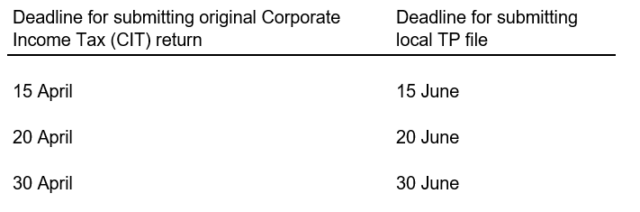
Additionally, article (13) of the Unified Tax Law No. 206 of 2020 stipulates that no fines will be imposed on declared amounts for TP purposes.
Amended CIT Return Filing:
For those requiring an amended CIT return, the following deadlines apply:
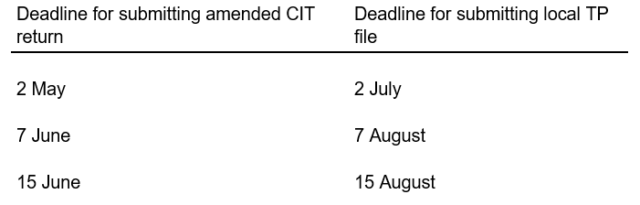
These guidelines are detailed in article (85) of Law No. 91 of 2005 on corporate income tax.
ETA Clarifications:
The ETA has also issued clarifications to ensure a comprehensive understanding of the TP reporting requirements:
- Capital Gains: Capital gains are not considered related party transactions, relieving businesses from mandatory TP declaration and reporting obligations.
- Transactions Affecting the Balance Sheet and Expenses: Transactions that impact the balance sheet and expenses paid on behalf of an entity within an intra-group structure should be reported and declared in table No. 508 of the annual CIT return.
- Shared Projects: Shared projects, defined as contractual agreements between at least two parties to execute a project with shared profits and losses, are considered related party transactions. This includes individual residents, branches of non-resident companies, and individual residents collaborating with branches of foreign companies. Proportional declaration is mandatory based on the related percentage of the shared project.
- Free Zone Area Companies: Companies not operating within a free zone system but having related party connections to it must declare and report a TP master file within the same deadline as the TP local file.
ETA Explanatory Instruction No.78:
To further guide taxpayers through these changes, the ETA issued Explanatory Instruction No.78 on 19 September 2023, providing additional insights and clarifications.
In conclusion, the Egyptian Tax Authority’s introduction of mandatory Transfer Pricing reporting requirements for related party transactions enhances Egypt’s commitment to fostering tax transparency and compliance. Tax professionals, investors, and businesses must adhere to these deadlines and guidelines to ensure compliance with the evolving tax landscape. For expert assistance in navigating these complexities, consider our tax technology and transfer pricing services. Stay informed, stay compliant, and stay ahead in Egypt’s dynamic tax environment.
To keep updated on news, visit our Global News Page.
Don’t miss our most recent updates and articles; follow us on LinkedIn.